
By David Mahan (Client Services Manager, Oncology), Nando Ramos (Client Services Manager, Oncology), Michael Garza (Client Services Manager, Oncology), and Matthew Armstrong (Client Services Manager, Oncology)
Cancer centers across the country are investing in new facilities, expanding treatment capacity, and looking for ways to serve growing patient volumes. But adding a linear accelerator or opening another location is only one part of the equation.
The people who operate that equipment, deliver treatment, manage physics, and support the broader oncology workflow have to be there, too.
That is where many health systems are encountering a difficult workforce reality. Specialized oncology professionals are in high demand, while the supply of experienced talent remains limited. Radiation therapists, dosimetrists, medical physicists, and specialized imaging technologists can be difficult to recruit and retain, particularly when facilities are competing with travel opportunities and other health systems for the same professionals.
For cancer center leaders, the result can be a gap between clinical capacity and workforce capacity.
Closing that gap requires a workforce strategy that accounts for the realities of the oncology labor market, the specific needs of each facility, and the time it takes to build a permanent team.
Oncology Demand Is Growing, but the Workforce Has to Keep Pace
The expansion of oncology services is fueling demand for specialized talent precisely as facilities face ongoing staffing shortages.
Radiation therapy provides a clear example.
Facilities may invest in additional linear accelerator capacity to accommodate more patients, but that capacity depends on having qualified radiation therapists available to operate it. A vacancy in a highly specialized role can therefore affect much more than a department's staffing numbers. It can affect how much of the facility's available treatment capacity can be used.
The challenge is compounded by competition for experienced professionals.
As the professionals entering the field have more opportunities to pursue travel assignments, cancer centers can find it increasingly difficult to convince them to choose traditional permanent positions. In this industry, it’s not unheard of to see therapists receive multiple opportunities shortly after accepting permanent roles.
That dynamic creates a difficult cycle for health systems. Permanent hiring remains important for long-term workforce stability, but recruiting for these positions can take time. Meanwhile, the demand for oncology services continues.
A workforce strategy has to account for both realities.
The Gap Between Growth Plans and Hiring Timelines
One of the biggest challenges is often the disconnect between the urgency felt inside an oncology department and the pace of the hiring process.
A radiation therapy manager may know that an open position is affecting the department's ability to operate at full capacity. The need may be immediate. Yet the requisition still has to move through HR, compensation, procurement, or an MSP before a candidate can be interviewed and hired.
For highly specialized roles, delays can be particularly costly.
A qualified radiation therapist may have multiple opportunities available. Waiting days or weeks to move a candidate through the process can mean losing that professional to another facility.
This makes speed an important part of oncology workforce planning.
Health systems should consider questions such as:
How quickly can a department communicate an urgent staffing need?
Who has authority to prioritize specialized clinical positions?
How long does it typically take to move a qualified candidate from submission to interview?
Are HR and department leaders aligned on the urgency of hard-to-fill roles?
What temporary coverage options are available when permanent recruitment takes longer than expected?
The answers can reveal where a workforce strategy needs additional flexibility.
Specialized Oncology Staffing Requires Specialized Knowledge
Oncology staffing has details that can be easy to overlook when recruitment is approached as a general healthcare hiring exercise.
A radiation therapist's credentials tell only part of the story.
What equipment does the facility use? What software? What procedures? What is the patient volume? Does the therapist need experience with a particular linear accelerator? How quickly does the department operate? What kind of environment will the person be joining?
The same principle applies to medical physicists and other specialized professionals. Clinical responsibilities, equipment, procedures, patient populations, and department culture can all influence whether a candidate will succeed.
That is why the intake conversation matters.
At Tidepoint Oncology Staffing, our oncology staffing team has spent years developing relationships with both healthcare professionals and facilities in this specialized market. That experience allows our team to ask questions that can go beyond the job description and identify the details that influence a successful match.
For example, knowing that a facility uses specific linear accelerator technology can change which candidates should be presented. Understanding the pace and culture of a department can also help determine whether someone who looks qualified on paper will actually be comfortable in the environment.
The goal is to give facility leaders relevant candidates instead of asking them to sort through resumes that do not fit their actual needs.
The Right Candidate Is About Fit, Not Just Credentials
A strong oncology staffing process starts with understanding the facility.
That includes the technical requirements of the position, but it can also include the less obvious factors that affect day-to-day success.
A therapist who has the right certifications may still struggle in a fast-paced department if they are accustomed to a different workflow. A physicist may have the necessary credentials but lack experience with the specific procedures a facility performs. A candidate may look ideal based on a résumé but have preferences that do not align with the assignment.
These details matter because every unsuccessful match costs time.
Tidepoint's approach is built around developing a detailed understanding of both sides of the relationship. Our team works to understand what the facility needs, what the candidate can offer, and what factors could influence the success of the assignment.
That relationship-driven approach also gives clients a trusted resource for honest feedback.
When a candidate is a strong fit, our team can explain why. When there are concerns, those should be addressed before an interview rather than after a placement.
For facility leaders, that can make the process more efficient and give them greater confidence in the candidates they are considering.
Flexible Staffing Can Help Cancer Centers Maintain Momentum
Permanent hiring should remain an important part of long-term workforce planning. But permanent recruitment is not always fast enough to address an immediate staffing gap.
That is where flexible staffing can provide another option.
Travel and contract professionals can help facilities:
Cover an unexpected vacancy or leave
Maintain staffing while a permanent search is underway
Support newly added treatment capacity
Address short-term increases in patient volume
Provide specialized expertise that is difficult to find locally
Give permanent teams additional capacity during periods of transition
Flexible staffing can also create opportunities for more creative workforce models.
For example, a facility group with multiple locations may have staffing needs that vary across sites. Rather than treating each location as an isolated problem, leaders can look at the broader workforce picture and determine whether a professional could support multiple facilities when appropriate.
This type of flexibility requires close collaboration between the staffing partner and the facility. The right solution depends on the department's needs, the professional's skills, geography, scheduling requirements, and the operational realities of the health system.
An Oncology Staffing Partner Should Understand the Problem Before Proposing the Solution
When an oncology department needs help, the first question should be: What does this facility truly need?
Sometimes the answer is a travel radiation therapist who can start quickly. Other times, it is a medical physicist with experience in a particular area. Sometimes the immediate need is temporary coverage while the facility continues recruiting permanently.
There may also be opportunities to rethink how staffing resources are distributed across multiple locations.
That is why Tidepoint begins with questions.
We look at the facility, its technology, patient volume, procedures, workflow, culture, scheduling requirements, and other factors that can affect the placement. Our team then uses that information to identify professionals who align with the need.
Our scale also gives facilities access to a broad network of specialized candidates. Rather than asking a hiring manager to settle for the first available option, Tidepoint can provide multiple qualified candidates when the market allows, giving facility leaders meaningful choices.
Speed matters, but so does precision.
Sending several candidates who do not meet the actual requirements does little to solve a staffing problem. A smaller group of well-qualified, relevant candidates can create a much more productive conversation.
Candidate Relationships Are Part of the Workforce Strategy
Facilities also benefit when their staffing partner has strong relationships with the professionals they are trying to hire.
Oncology is a candidate-driven market in many specialized areas. Experienced professionals have options, and their experience with a staffing agency can influence whether they pursue an opportunity through that partner.
Tidepoint invests heavily in those relationships.
Our recruiters stay engaged with professionals throughout their assignments, communicate regularly, and work to understand their preferences for compensation, schedules, locations, start dates, and future opportunities. That ongoing relationship helps us understand the talent market from the candidate's perspective while giving facilities access to professionals who trust our team.
It also supports continuity.
When an assignment is approaching its end, our team can begin conversations early about extensions or future opportunities. That creates another opportunity to address workforce needs before a vacancy becomes urgent.
Building Oncology Capacity Starts with Workforce Planning
Cancer center growth is likely to continue creating pressure on specialized healthcare talent. Facilities that are expanding treatment capacity need to consider workforce requirements alongside capital investments, service-line development, and patient demand.
That means planning for the people who will make new capacity operational.
For some organizations, that may mean strengthening permanent recruitment. For others, it may mean creating a more deliberate strategy for contract and travel professionals. Many will need both.
The most effective approach will depend on the facility, specialty, geography, workforce availability, and growth plans.
What should remain consistent is the level of attention given to the staffing problem.
Oncology professionals bring specialized skills that cannot be evaluated by credentials alone. Facilities need staffing partners who understand those distinctions, know the talent market, move with appropriate urgency, and take the time to understand the environment where each professional will work.
If your oncology department is planning to expand capacity, managing a staffing gap, or struggling to find specialized talent, Tidepoint Oncology Staffing can help. Our oncology staffing team combines deep industry expertise with a broad candidate network to connect health systems with qualified professionals who fit their specific needs. Contact Tidepoint to discuss your workforce needs.
About David
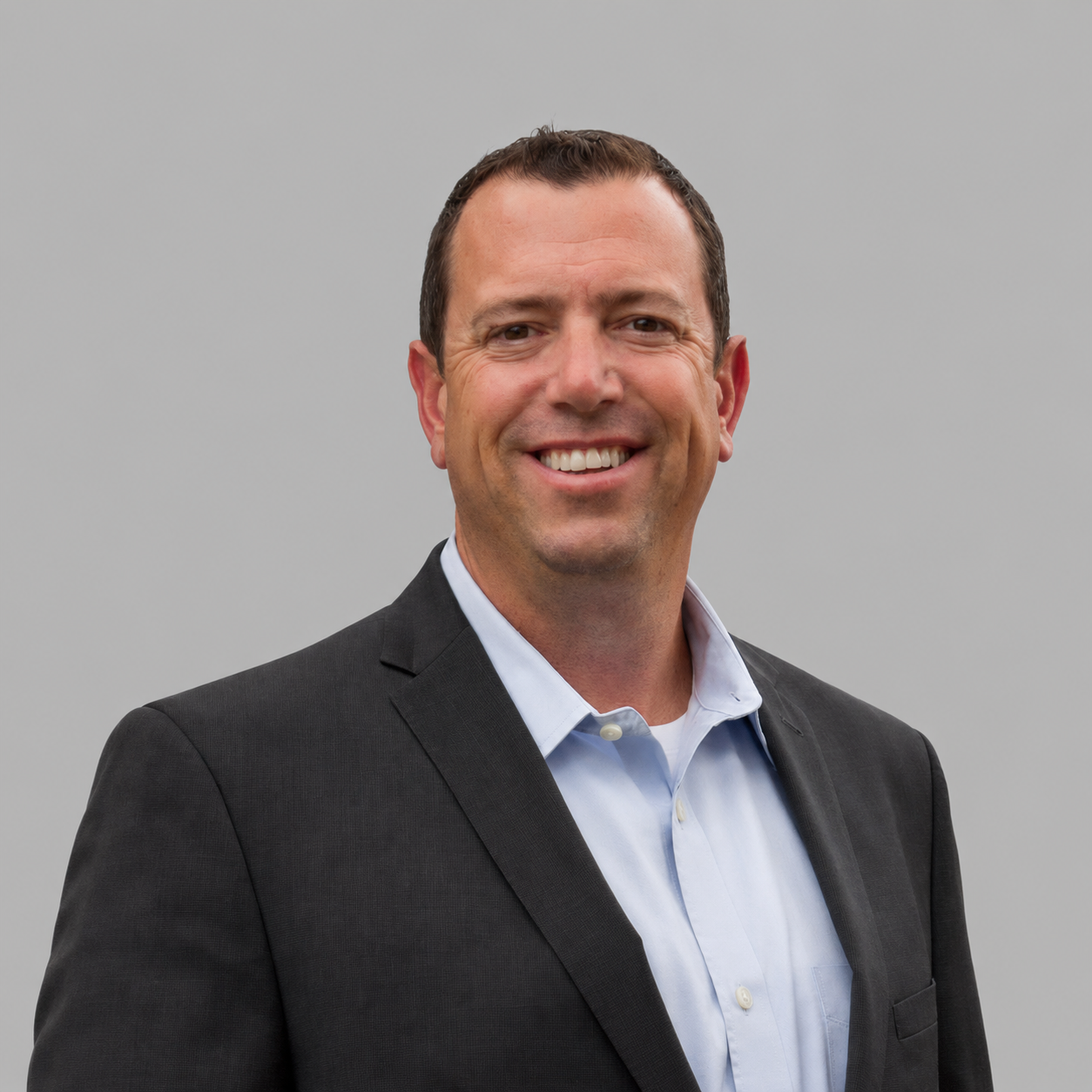
David Mahan is a Client Services Manager specializing in Oncology Staffing. With 17 years of healthcare staffing experience, David builds strong client relationships and connects Radiation Oncology organizations with specialized clinicians to improve patient care. Prior to joining Tidepoint, he served as a Managing Director overseeing Healthcare and HIM/HIT staffing teams. David attended the University of Oregon’s Lundquist College of Business and brings a relationship-driven, solutions-focused approach to every partnership. Outside of work, he enjoys spending time with his wife and two sons, boating and fishing, cooking, watching sports, and exploring Tampa’s endless restaurants.
About Nando

Nando Ramos is a healthcare staffing executive with 25+ years of experience in executive recruitment, workforce solutions, and relationship building, including 16+ years specializing in Radiation Oncology. As a Radiation Oncology Advisor with Tidepoint Oncology Staffing, formerly Mission Search, he has built trusted, long-standing partnerships with healthcare leaders nationwide. Nando delivers strategic locum/travel solutions across Medical Physics, Medical Dosimetry, Radiation Therapy, Diagnostic Imaging, and leadership roles.
About Michael
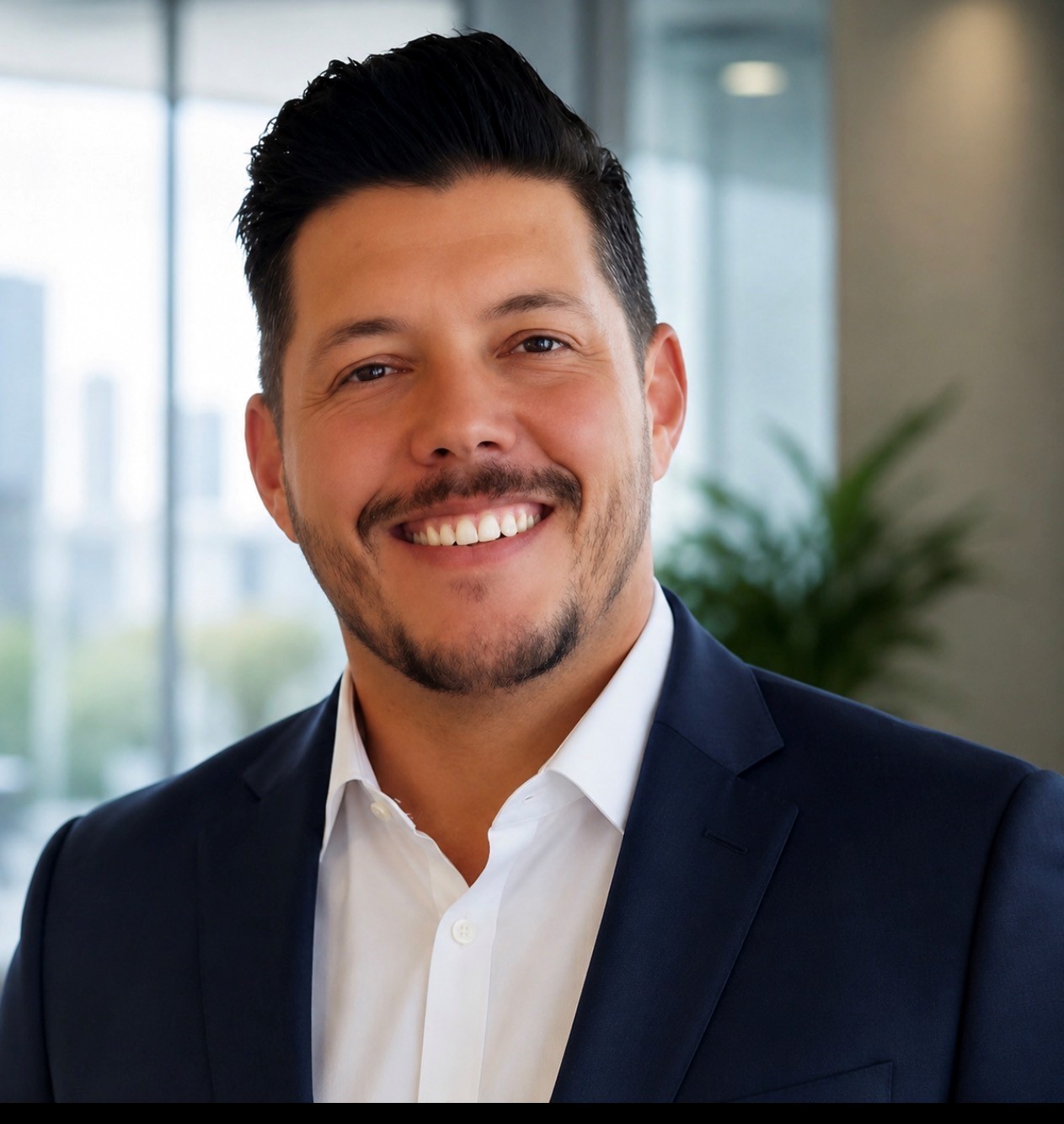
Michael Garza is a seasoned healthcare staffing professional with over 20 years of industry experience. As a Client Services Manager at Tidepoint’s Oncology division, where he has been part of the team for the past three years, Michael specializes in business development, sales, and marketing, with a strong focus on building lasting professional relationships. Outside of work, he enjoys his passion for vintage motorcycles and music.
About Matthew
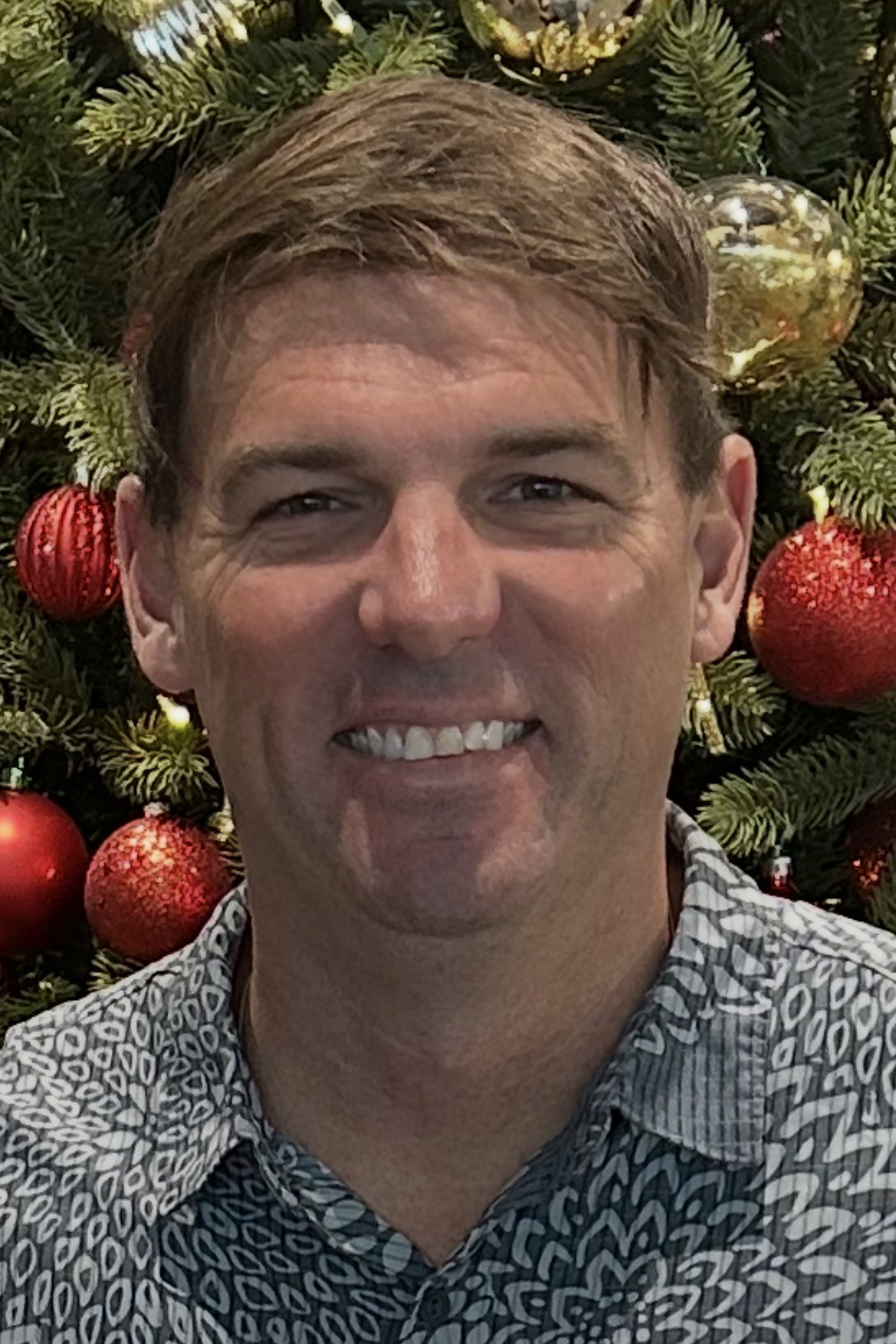
Matt Armstrong is a Client Services Manager specializing in Radiation Oncology staffing. With 10 years of healthcare staffing, all being in Oncology, Matt builds strong client relationships and connects Radiation Oncology organizations with specialized professionals to support staffing needs. Prior to joining Tidepoint Oncology, he was in corporate retail sales. Outside of work, he enjoys spending time with his wife and two young boys, surfing, being active, and enjoying life!
DELIVERED TO YOUR INBOX MONTHLY