
By Neha Potdar, Manager of Recruitment | Site Management and Manufacturing, Practice Lead
The clinical research landscape is evolving, and the professionals who succeed in 2027 will be those who can adapt alongside it. As biopharma companies advance increasingly complex studies, they need clinical talent who can combine scientific knowledge, operational expertise, and strong relationships to keep research moving forward.
From the growing role of artificial intelligence (AI) to the expansion of hybrid clinical trial operations, emerging trends are reshaping expectations across clinical development. Employers are looking for professionals who understand the science behind a study, recognize operational challenges, and know how to turn information into meaningful action.
For clinical professionals considering their next career move, understanding these expectations can help you prepare for new opportunities and communicate your value with confidence.
Here are five areas to focus on as you prepare for the year ahead.
Demonstrable Experience Beyond Your Job Title
As clinical teams evaluate candidates, job titles provide a starting point. What matters next is understanding the complexity of your work, your level of ownership, and how you respond when challenges arise.
A clinical trial associate, clinical research associate, or clinical project manager may have very different responsibilities depending on the organization and study. Employers need to understand what terms such as “managed,” “supported,” or “oversaw” actually meant in your role.
Did you identify an issue, recommend a solution, implement a change, or track its effectiveness? Did you own the process independently or contribute as part of a team?
Clear examples make your experience more credible.
Results do not always need to involve large numerical improvements. Resolving an outstanding issue, improving a handoff, identifying a documentation gap, or creating a more consistent process can demonstrate meaningful value.
The key is explaining why the outcome mattered and what you learned.
How to prepare: Build interview examples around four questions:
What was happening?
What were you responsible for?
What did you do?
What changed as a result?
This structure helps you communicate your contribution clearly on your resume and in conversations with hiring managers.
AI Literacy and Sound Judgement in Clinical Operations
AI is becoming increasingly integrated into clinical operations, with applications that may help teams evaluate site feasibility, identify recruitment patterns, and flag potential operational risks. As these tools become more common, employers will increasingly value professionals who can interpret data and apply sound judgment.
For example, an AI tool might identify a clinical trial site at risk of missing its enrollment target. The clinical operations team still needs to understand why. Is the site struggling with staffing capacity, competing studies, eligibility criteria, or patient access?
Recognizing the underlying issue and coordinating a practical response requires clinical expertise, critical thinking, and collaboration.
AI may also reduce time spent on administrative tasks, creating more opportunities for site engagement, problem-solving, and study oversight. However, realizing these benefits depends on reliable data, appropriate validation, human review, and clear accountability.
How to prepare: Build familiarity with approved AI tools and strengthen your ability to interpret study data. In interviews, be prepared to explain how you evaluate an output, recognize its limitations, and use your clinical and operational judgment to determine the next step.
Therapeutic Expertise That Helps Teams Execute Complex Studies
As biopharma companies develop treatments across increasingly specialized therapeutic areas, they need professionals who understand the scientific and operational realities of their studies.
A strong therapeutic background involves more than listing an indication on your resume. It includes understanding the patient journey, treatment landscape, protocol requirements, and challenges that can affect study execution.
Consider a clinical research professional who has supported a complex oncology study. Their experience may include managing demanding assessment schedules, navigating restrictive eligibility criteria, or helping retain participants through a lengthy treatment period. These details demonstrate an understanding of the challenges that shape clinical trial outcomes.
This depth of experience can also support transitions between therapeutic areas. Professionals who understand complex protocols, specialized assessments, or patient retention strategies may bring valuable transferable skills to another indication.
How to prepare: Review the clinical development portfolios of your target employers. Identify where your experience aligns with their research priorities and prepare specific examples that demonstrate your therapeutic knowledge. If you are transitioning into a new area, explain how your existing skills apply and where you are continuing to build expertise.
Hybrid Clinical Trial Operations and Participant-Centered Coordination
Hybrid and decentralized clinical trials require professionals who can coordinate activities across onsite visits, remote procedures, digital platforms, and external partners.
When study activities take place across multiple settings, teams need a clear understanding of what has been completed, what remains outstanding, and who owns the next step.
Successful coordination often comes down to anticipating potential problems. A home health visit may need confirmation, an electronic assessment may require follow-up, or a technical issue may prevent a participant from completing an activity.
Identifying these gaps early helps teams respond before they disrupt study progress.
Participant communication is equally important. Clear instructions, realistic expectations, and reliable support can help participants navigate the clinical trial process and understand what is expected of them.
Professionals who can connect operational details with the participant experience will be well positioned to support complex study models.
How to prepare: Highlight experience involving remote visits, electronic systems, vendor coordination, or participant support. Explain how you tracked activities, addressed a gap, and kept the appropriate stakeholders informed.
Relationships That Help Clinical Trials Move Forward
Clinical research depends on collaboration between sponsors, research sites, and contract research organizations (CROs). Strong clinical professionals understand how to build productive relationships across these groups while maintaining accountability.
For research sites, this means understanding staffing capacity, patient populations, enrollment barriers, and day-to-day operational needs. Taking time to listen to investigators and coordinators can help establish trust and encourage sites to raise concerns early.
Consistent follow-up and practical support can strengthen engagement and help teams address challenges before they affect study progress.
CRO partnerships require similar attention. Clear expectations, shared priorities, and alignment around monitoring activities, outstanding issues, and escalation pathways help prevent conflicting instructions and maintain consistent communication.
Professionals who can bring these partners together, navigate differing perspectives, and maintain productive relationships can make a meaningful contribution to study execution.
How to prepare: Be ready to share examples of how you built trust with sites or CRO teams, coordinated a response to a study challenge, or improved communication across partners. Explain how the collaboration supported enrollment, resolved an operational barrier, or helped the clinical trial reach a milestone.
How Orbis Clinical Can Help You Prepare for What's Next
Preparing for the next stage of your clinical career involves understanding where your experience fits within the evolving biopharma landscape. It also means finding opportunities that align with your expertise, professional goals, and long-term interests.
At Orbis Clinical, we understand the science, the stakes, and the importance of career alignment across the clinical development lifecycle. Our specialized team works closely with life sciences professionals and maintains relationships with leading biopharma companies, helping us understand the skills and experience employers are seeking.
Whether you are a clinical trial associate building your experience, a clinical research associate exploring your next opportunity, or a clinical operations leader considering a new challenge, we can help you navigate your options.
Our approach is built on scientific understanding, individualized career support, and long-term relationships. We take the time to understand your background, what matters to you, and where you want your career to go.
That means having informed conversations about your experience, the opportunities available, and how your skills may align with the needs of biopharma organizations.
Position Yourself for Clinical Career Opportunities in 2027
The expectations for clinical talent will continue to evolve as biopharma companies adopt new technologies, advance specialized research, and navigate increasingly complex clinical trial operations.
Professionals who combine therapeutic knowledge, data literacy, operational judgment, and strong collaboration skills will be well positioned to contribute.
Start by evaluating your experience, identifying opportunities to strengthen your skills, and preparing clear examples of the value you bring to clinical research.
And when you are ready to explore what's next, Orbis Clinical is here to help you connect your expertise with opportunities that align with your career goals.
Ready to take the next step in your clinical career? Connect with Orbis Clinical to explore opportunities across the clinical development lifecycle.
About the Author
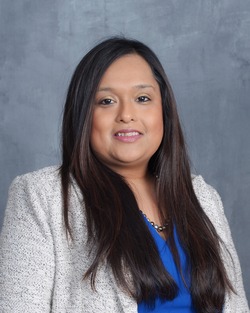
Neha Potdar is a dynamic and results-driven Manager of Recruitment and Practice Lead with a strong background in talent acquisition, client relations, and workforce strategy. She is an accomplished recruiting professional with extensive experience in full-cycle recruitment in Life Sciences across different verticals (Research and Development, Drug Safety, Clinical Operations, Medical Affairs, Biometrics) and diverse clientele from startups to Fortune 500. The recruitment team has a proven track record of placing candidates across various models of contract, contract-to-hire, permanent, and retained search. Neha is passionate about cultivating strong professional relationships, driving team growth, continuously improving recruitment processes, and building high-performing teams.
DELIVERED TO YOUR INBOX MONTHLY