
By Myles Donahue, Senior Life Sciences Recruiter at Orbis Clinical
Clinical trials are becoming increasingly complex, with growing demands across clinical operations, data management, regulatory affairs, pharmacovigilance, medical oversight, biomarkers, and other specialized functions. As programs advance, the teams responsible for executing them must adapt to new requirements, tighter timelines, and more interconnected responsibilities.
For many biopharma organizations, this is where scaling becomes difficult. A study may have a sound scientific rationale, an established operating model, and experienced professionals in place, yet still struggle to maintain momentum as complexity increases. The underlying challenge often comes down to whether the right expertise is available, how effectively teams work together, and how well talent decisions support the next stage of development.
Understanding these connections is critical for organizations looking to scale clinical trials successfully. Talent planning must account for the full clinical development lifecycle, including the expertise and collaboration required to keep a growing program on track.
Why Clinical Trials Become Harder to Scale
A clinical program rarely stays static. As a study progresses from early development into larger Phase II or Phase III trials, operational demands can change substantially. More sites, broader patient populations, additional data requirements, and evolving regulatory expectations can introduce new layers of complexity.
The team that successfully designed and launched an early-stage study may not have all the specialized experience needed to manage its expansion. For example, a growing program might require deeper biomarker expertise, more sophisticated data management capabilities, additional pharmacovigilance support, or regulatory professionals experienced in navigating more complex submissions.
These gaps can emerge even when an organization has a capable internal team. The issue is often whether its collective experience matches the program's current and anticipated needs.
Technology and standardized processes can help organizations manage complexity, but their effectiveness depends on the people implementing and maintaining them. A data platform cannot resolve unclear ownership of data discrepancies. An established workflow cannot compensate for missing expertise in a specialized discipline. And a detailed project plan cannot anticipate every challenge if the people developing it lack relevant experience.
Scalability depends on matching talent and operating models to the demands of each development stage. Organizations that evaluate these requirements early have a better opportunity to address capability gaps before they affect execution.
The Cross-Functional Gaps That Slow Clinical Trials
Clinical development depends on a network of interrelated functions. Clinical operations coordinates study execution, data management oversees data quality and consistency, biostatistics supports analytical decisions, regulatory teams manage compliance and submissions, and safety teams monitor and evaluate emerging risks. Medical, biomarker, technology, and external partner teams contribute additional expertise.
Each function has distinct responsibilities, but decisions in one area frequently affect several others. When teams work in isolation, problems can remain hidden until they create delays or require costly rework.
Consider a study expanding into new sites or patient populations. Changes to the study design may affect data collection requirements, biomarker assessments, site workflows, and regulatory documentation. If those implications are not evaluated collectively, teams may discover conflicting requirements after implementation has begun.
Several common gaps can make these handoffs more difficult:
Limited cross-functional visibility: Teams understand their own deliverables but have limited insight into dependencies that affect other functions.
Unclear accountability: Responsibilities for decisions, approvals, escalation, or issue resolution overlap or remain undefined.
Insufficient specialized experience: Teams lack professionals who have navigated similar study designs, operational challenges, or development-stage transitions.
Reactive resource planning: Organizations bring in additional expertise only after delays, data issues, or compliance concerns have surfaced.
These problems can compound. A small communication gap may lead to inconsistent data, which requires additional review, delays analysis, and creates downstream pressure on study milestones.
Cross-functional experience helps teams identify these connections earlier. Professionals who understand their discipline and how their decisions affect adjacent functions can anticipate dependencies, raise concerns sooner, and help colleagues resolve issues with a clearer view of the overall program.
How Early Talent Decisions Affect Clinical Trial Outcomes
The conditions for successful scaling are often established well before a program encounters its most demanding operational challenges.
Early decisions about study design, vendor selection, team structure, data processes, and decision-making authority influence how effectively a trial can adapt as requirements change. If these decisions are made without the necessary expertise or consideration of future needs, organizations may build operational models that become difficult to sustain.
For example, a team preparing for an initial study may prioritize immediate launch requirements. As the program advances, however, the organization may need more advanced data oversight, additional regulatory experience, or stronger coordination across internal teams and external vendors. If those capabilities were not considered during planning, introducing them later can require changes to established processes, responsibilities, and timelines.
A more proactive approach starts with three questions:
What expertise will the program need next? Assess the scientific, regulatory, operational, and technical demands expected at the next development milestone.
When must that expertise be available? Account for recruitment lead times, onboarding, knowledge transfer, and the time required for new team members to contribute effectively.
How should those capabilities be secured? Determine which skills should be developed internally, which can be supported through existing partners, and where external specialized talent can address a specific need.
This planning should continue throughout development. The capabilities required to launch a study may differ from those needed to manage expansion, prepare for a major regulatory milestone, or support a larger, more complex trial.
Regularly evaluating talent against the program's next stage gives leadership a practical way to connect workforce decisions to clinical development priorities.
Building a Talent Strategy That Can Scale
Organizations can strengthen their approach to clinical trial scalability by treating talent planning as an ongoing part of development strategy.
Start by mapping critical functions and the dependencies between them. Identify where responsibilities intersect, which decisions require input from multiple disciplines, and where delays are most likely to occur if expertise or accountability is missing.
Next, evaluate the team's capabilities against both current requirements and upcoming milestones. Job titles and headcount alone will not reveal every gap. Relevant experience with similar study designs, therapeutic areas, development phases, regulatory requirements, or cross-functional operating models can be equally important.
Organizations should also establish clear ownership and communication pathways. Teams need to know who makes decisions, who provides input, how issues are escalated, and how changes in one function affect the broader program. These expectations should extend to external partners, whose deliverables and timelines may influence internal execution.
Finally, plan for flexibility. Maintaining every specialized capability internally may not be practical, particularly when needs fluctuate across development stages. External expertise can provide targeted support during periods of increased complexity, fill niche skill gaps, and give internal teams additional capacity without requiring a permanent expansion of the workforce.
The goal is to identify and address capability gaps before they become urgent. When talent planning, accountability, and cross-functional coordination are built into the operating model early, teams are better equipped to adapt as the program evolves.
How Orbis Clinical Helps Life Sciences Teams Address Talent Gaps
For organizations navigating increasingly complex clinical development programs, access to specialized talent can be an important part of a scalable operating model. Orbis Clinical brings a focused understanding of the life sciences landscape, connecting organizations with professionals across clinical operations, biometrics, regulatory affairs, and related functions.
Effective talent support starts with understanding the work behind the role. A clinical development team may need someone with a specific technical skill set, but the right fit also depends on the program's stage, operating environment, functional dependencies, and immediate priorities. Recognizing those factors helps organizations identify expertise that aligns with the demands of the work.
Orbis Clinical's specialized, relationship-driven approach emphasizes scientific and industry understanding, thoughtful talent alignment, and long-term professional relationships. This perspective supports conversations about the capabilities a team needs, the experience required to contribute effectively, and where additional expertise may help address an emerging gap.
Flexible talent solutions can help organizations access specialized professionals when program requirements change, whether they need targeted expertise for a particular phase or additional capacity to support ongoing execution. This allows internal leaders to focus on building the right team structure while addressing gaps that could otherwise constrain progress.
For life sciences organizations, the value lies in making talent decisions with a clear understanding of the development strategy they are intended to support. Orbis Clinical works to connect specialized professionals with the teams and opportunities where their expertise can make a meaningful contribution.
Plan for Scalability Before the Pressure Builds
Clinical trials scale successfully when the people, expertise, and operating models behind them can evolve alongside the science. As programs become more complex, gaps in specialized knowledge, cross-functional communication, and accountability can undermine execution even when individual teams are highly capable.
Organizations can reduce these risks by evaluating future talent requirements early, clarifying ownership across functions, and securing specialized expertise before critical needs become urgent.
The most effective talent strategy is closely connected to the clinical development strategy itself. When teams understand what the next stage requires and prepare for those demands in advance, they are better positioned to manage complexity, maintain operational momentum, and support the program's development goals.
Planning for your next stage of clinical development? Connect with Orbis Clinical to discuss how specialized life sciences talent can help your team address capability gaps and prepare for evolving program needs.
About the Author
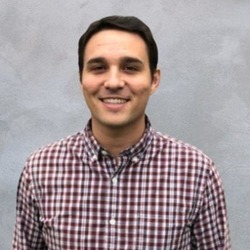
Myles Donahue is a Life Sciences Recruiting professional at Orbis Clinical, where he partners with biotech, pharmaceutical, and CRO organizations to connect top-tier talent across clinical operations, regulatory affairs, drug safety, biometrics, and related scientific disciplines. Since joining Orbis Clinical, he has focused on supporting both emerging biotech companies and global life sciences organizations by delivering tailored staffing solutions that align scientific expertise with evolving clinical development needs.
Based in the San Francisco Bay Area, Myles is known for his relationship-driven approach, market insight, and ability to translate complex hiring needs into high-quality talent matches. He is actively involved in supporting clinical research and drug development teams through strategic recruiting partnerships that help accelerate programs from early development through commercialization.
DELIVERED TO YOUR INBOX MONTHLY