By Steve Olinger, Senior Recruiter, Oncology & School Outreach Manager at Tidepoint Healthcare Staffing
For imaging travelers, a cancer center assignment can open the door to specialized technology, complex workflows, and valuable experience that may not be part of a traditional imaging role. PET/CT, SPECT/CT, CT simulation, specialized MRI protocols, and oncology-specific procedures can all be part of the day-to-day environment.
But the equipment is only one part of the experience.
Cancer centers often have their own pace, protocols, team structures, and patient-care considerations. Understanding those differences before accepting an assignment can help you find a role that fits your skills and prepare you to contribute with confidence from your first shift.
At Tidepoint Healthcare Staffing, that preparation starts with understanding the details behind an assignment, not simply matching keywords on a resume to a job description.
How Imaging Travelers May Work Differently in Cancer Centers
A modern cancer center can bring together several imaging specialties under one clinical environment. Depending on the facility and role, imaging travelers may work with CT, MRI, mammography, nuclear medicine, PET/CT, or CT simulation.
The technology and procedures can also be highly specialized.
For example, PET experience involving tracers such as FDG, PSMA, or DOTATATE can require knowledge that differs from general nuclear medicine experience. Similarly, CT or MRI technologists may encounter specialized protocols designed around oncology patients and treatment planning.
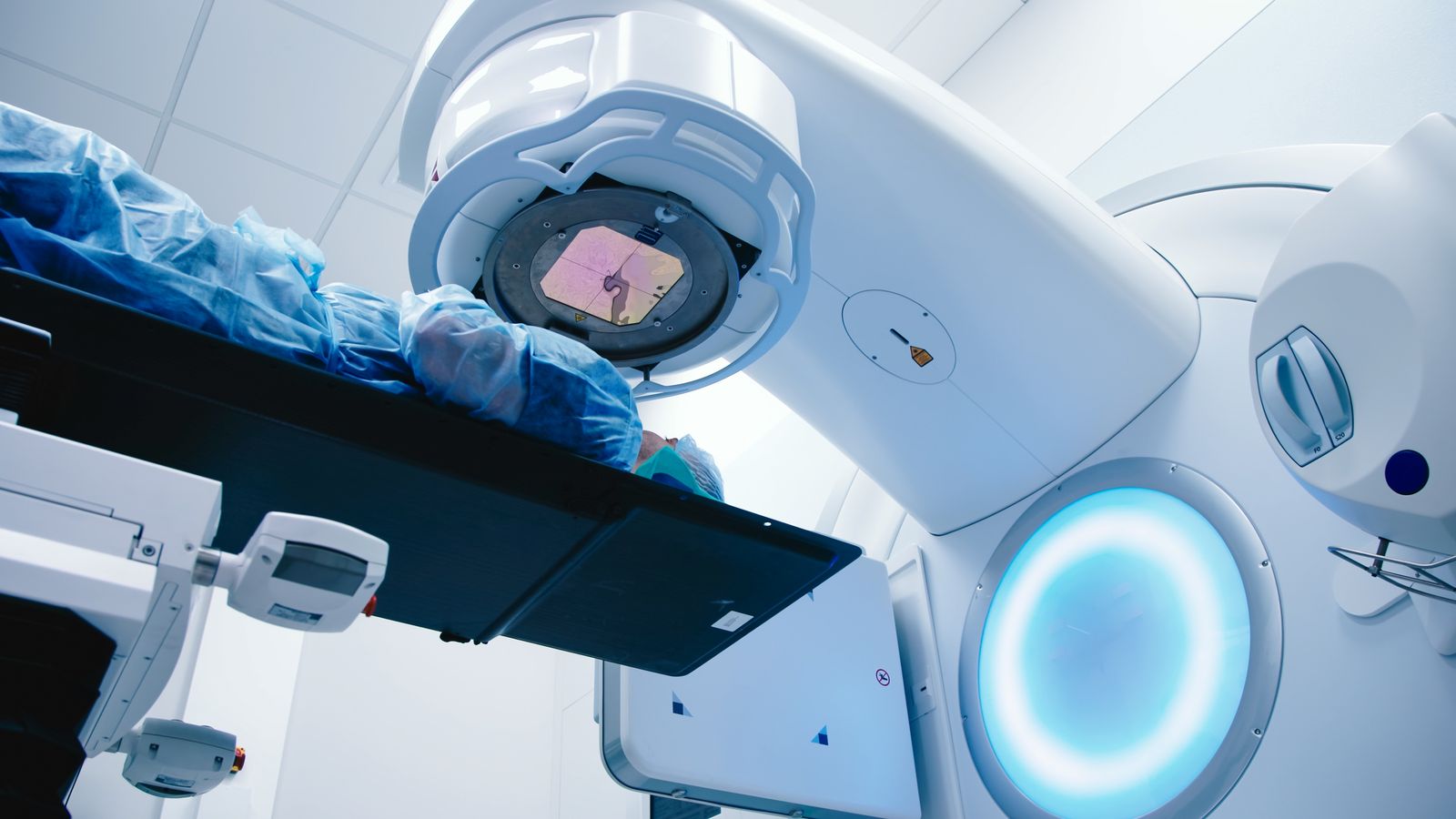
Some facilities also use CT simulation and imaging integrated with linear accelerators, including systems such as TrueBeam or Elekta. Experience with these technologies can be especially relevant for travelers moving into radiation oncology environments.
That means two technologists with the same general modality experience may have very different levels of preparation for a particular cancer center assignment.
Precision Is Central to Oncology Imaging
Imaging quality and positioning carry significant weight in oncology care.
Accurate images can inform diagnosis, treatment planning, and ongoing evaluation. In radiation oncology settings, positioning and imaging can also support the precise delivery of treatment.
For imaging travelers, this requires close attention to protocols and consistency throughout the workflow. Familiarity with a modality is important, but so is understanding how that modality fits into the broader care plan.
Travelers may also work alongside a wider group of clinical professionals than they would in a conventional imaging department. Depending on the assignment, that team could include radiologists, radiation oncologists, radiation therapists, dosimetrists, physicists, oncology nurses, and other imaging professionals.
Strong communication and teamwork become essential because each discipline contributes to the patient's care.
What Should Imaging Travelers Expect from the Day-to-Day Environment?
Cancer centers can be fast-paced, particularly when patient volume is high. The ability to move efficiently while maintaining imaging quality and patient care is important.
Safety and quality expectations are also closely tied to the environment. Travelers should be prepared for established protocols involving radiation safety, contrast, infection control, documentation, and quality assurance.
Technology systems can vary by facility as well. Depending on the assignment, experience with platforms such as ARIA, MOSAIQ, PACS, or other imaging and oncology information systems may be relevant.
Before accepting an assignment, it is worth asking exactly how those systems are used in the role. A job description may list a technology or platform, but the practical expectations can vary considerably from one facility to another.
The same applies to staffing structure.
Some positions may involve working closely with a larger team. Others may require a high degree of independence. A PET or nuclear medicine technologist who is comfortable working independently may be well suited to an assignment where they will operate with limited on-site support. Someone who prefers a collaborative environment may be better matched with a larger team structure.
Those details can have a major impact on the daily experience.
Look Beyond the Equipment List
When evaluating an oncology assignment, the equipment list is only a starting point.
Consider asking:
How many patients does the department typically see each day or hour?
What is the typical patient volume for this specific modality?
Will I work independently or as part of a larger team?
What procedures will I perform most frequently?
Which protocols or tracers are required?
How much oncology-specific experience does the facility expect?
What systems will I use?
What does orientation look like?
How long is the training period?
What does a typical shift look like?
Who will I work with most closely?
Are there call, weekend, or holiday expectations?
These questions can reveal information that a job description may not fully capture.
For Tidepoint, understanding these details is also part of making a strong match. The goal is to understand what a facility actually needs and how a traveler's recent experience, independence, clinical skills, and preferences align with that environment.
Patient Care Requires Clinical Skill and Communication
Cancer patients can arrive at very different points in their treatment journey.
Some may be receiving a diagnosis or undergoing their first round of testing. Others may be actively receiving treatment or returning for follow-up imaging after months or years of care. Patients may also be experiencing pain, fatigue, anxiety, or uncertainty.
That context can influence the interaction.
Imaging travelers working in oncology environments need strong clinical skills, but they also need patience, empathy, and the ability to communicate clearly. A calm explanation of what to expect can make a stressful appointment easier for a patient.
Adaptability matters here, too. Every patient and every facility has its own rhythm, and travelers need to adjust while maintaining the standards of care expected in the department.
Why Oncology Experience Matters for Imaging Travelers
For technologists looking to expand their clinical experience, oncology assignments can add valuable depth to a professional profile.
Specialized procedures, equipment, protocols, patient populations, and interdisciplinary collaboration can broaden a traveler's experience beyond a conventional imaging environment.
This can be particularly useful for professionals interested in developing deeper expertise in areas such as PET/CT, nuclear medicine, CT simulation, radiation oncology, or specialty imaging.
The right assignment can also help a traveler better understand where they work best. Some professionals thrive in high-volume environments. Others prefer assignments where they can work closely with a specialized team. Some are comfortable working independently, while others value frequent collaboration.
A good staffing partner should help uncover those preferences before the assignment begins.
How Tidepoint Healthcare Staffing Supports Imaging Travelers
Finding the right oncology assignment starts with understanding the experience behind a traveler's resume. At Tidepoint Healthcare Staffing, preparation goes beyond checking for keywords such as PET or nuclear medicine experience. Recruiters dig into the details: Which equipment have you used? Which procedures have you performed? How recently and how frequently? Have you worked independently or as part of a team?
Those distinctions can make a meaningful difference in finding the right fit. Two nuclear medicine technologists may both have PET experience, for example, but one may have extensive recent experience with a specific tracer and independent workflows, while the other may have used PET occasionally as part of a broader role. Understanding that context helps Tidepoint connect travelers with assignments that align with their current skills, experience, and career goals.
That support continues once the assignment begins. Specialized assignments can involve credentialing, payroll, facility questions, scheduling concerns, and other moving parts. Tidepoint Healthcare provides responsive, relationship-driven support throughout the process, with a consistent recruiting contact who understands the traveler's preferences and goals.
For imaging travelers working evenings, nights, or other nontraditional schedules, having responsive support can be especially valuable. When questions or unexpected issues arise, travelers have someone they can turn to rather than having to navigate them alone.
The goal is to understand the traveler, understand the facility, and provide support that helps both sides succeed throughout the assignment.
Is a Cancer Center Assignment Right for You?
An oncology imaging assignment can be a strong opportunity for technologists who want to build specialized experience and work in a multidisciplinary environment.
Before accepting one, take the time to understand the clinical expectations behind the job posting. Ask about patient volume, independence, procedures, equipment, protocols, team structure, orientation, and the technologies you will actually use.
Then look honestly at your own experience.
Are your skills current for the required modality? Are you comfortable working independently? Do you have experience with the specific procedures or patient populations involved? Are you prepared for the pace of the facility?
The answers can help determine whether the assignment is a strong fit.
At Tidepoint Healthcare, the matching process is built around those details. Our team takes the time to understand your experience and what you want from your next assignment, then helps you evaluate opportunities with a clearer picture of what you can expect.
Ready to explore your next imaging assignment? Connect with Tidepoint Healthcare to find an opportunity that aligns with your clinical experience and career goals.
About the Author

Steve Olinger has spent more than 16 years in recruiting, with the majority of his career focused on healthcare staffing. He has been with Tidepoint Healthcare Staffing for more than seven years and brings a strong background in imaging specialties and oncology. Steve enjoys building relationships with healthcare professionals, understanding what matters to them, and connecting them with opportunities that are the right fit both professionally and personally.
What Steve enjoys most about healthcare and oncology recruiting is simple: we get to help people who help people. Whether he is working with an oncology imaging professional, radiation therapist, dosimetrist, or physician across a variety of specialties, he takes pride in helping fill critical needs and knowing that his work ultimately supports the professionals providing care to patients and their communities.
DELIVERED TO YOUR INBOX MONTHLY